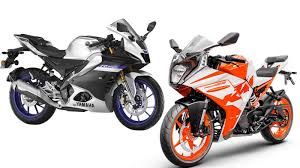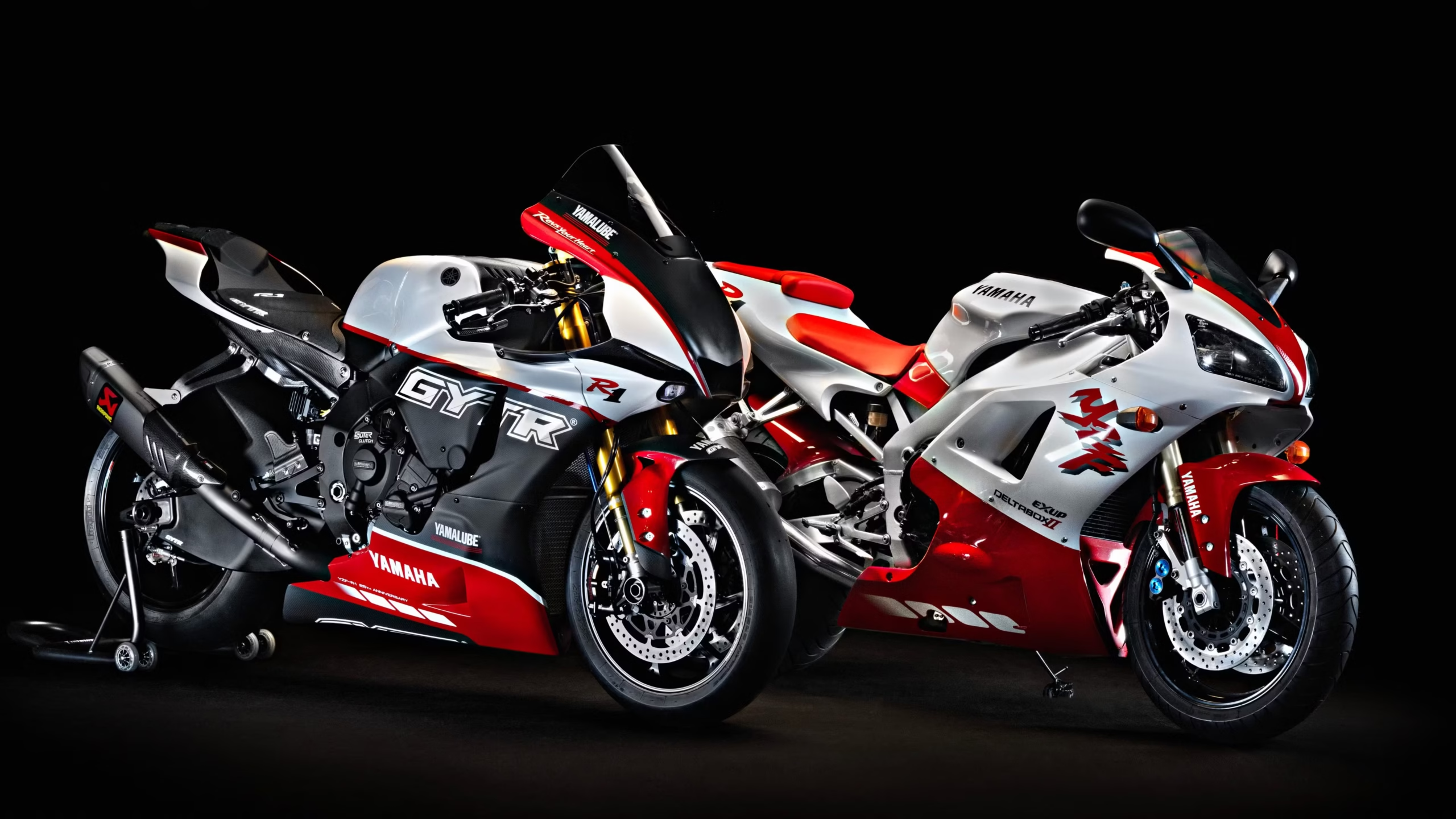
Yamaha YZF-R1M vs KTM RC 8C – Superbike Meets Pure Track Weapon
Motorcycles speak to the heart in ways few machines can. The sound, the lean into a corner – each bike tells its own story. Two machines that stand far apart in philosophy yet close in purpose are the Yamaha YZF-R1M and the KTM RC 8C. Both sit at the top of their game. Both deliver speed, precision, and excitement. Yet they aim at different kinds of riders.
The YZF-R1M is Yamaha’s street-legal flagship superbike, packed with MotoGP-inspired technology. It blends everyday usability with track-ready aggression. The KTM RC 8C is the opposite. It’s a purebred race bike. No license plate. No compromises. Built for the track, it strips away every extra gram in the hunt for speed.
Let’s ride deeper into what makes them different and why each deserves respect.
Purpose and Character
The Yamaha YZF-R1M comes from a long line of superbikes that made their mark in racing. It’s fast, loaded with electronics, and works on both road and track. Riders can take it through city streets, blast down highways, or push it at full lean on a race circuit. It carries a sense of refinement along with raw power.
The KTM RC 8C lives in a different world. This machine is not for daily rides. It’s for track days, private testing, and competition. Built in limited numbers, it gives you a Moto2-style experience. There are no headlights or mirrors. It speaks only one language – racing.
Engine and Power
The Yamaha uses a 998cc crossplane crank inline-four. This setup delivers about 200 horsepower with smooth yet urgent acceleration. The engine loves to rev and rewards the rider with a unique growl. The torque curve allows a strong pull from midrange to the top end. On track, it’s a thrill to keep it screaming. On the street, it’s still controllable thanks to its advanced electronics.
The KTM runs an 889cc LC8c parallel-twin. The output is about 135 horsepower, which might sound less, but the bike’s light weight changes the game. The twin delivers thick midrange torque and instant response. It’s tuned for corner exits and lap time efficiency rather than straight-line bragging rights. The titanium exhaust sings in a raw, race-bred tone.
Weight and Balance
The R1M tips the scales at around 200 kg wet. Yamaha engineers balance stability with agility. It feels planted in fast sweepers and still nimble enough for quick transitions.
The RC 8C’s dry weight sits just over 140 kg. This gives it an insane power-to-weight ratio. The bike flicks into corners almost by thought. Braking zones shrink, and acceleration feels even more intense. But with that lightness comes a demand for precision from the rider.
Chassis and Handling
The Yamaha uses a Deltabox aluminum frame with carbon-fiber bodywork. It’s solid at high speeds and allows controlled flex for corner grip. The Öhlins electronic suspension can adapt in real time. One moment it’s soft enough for bumpy streets, the next it’s stiff for track perfection.
The KTM uses a chrome-moly steel frame. It’s compact, rigid, and designed for maximum corner feedback. The WP Apex Pro suspension is fully adjustable but manual. Riders need to dial it in before a session. When set right, the RC 8C corners like it’s on rails.
Electronics and Rider Aids
The YZF-R1M carries a full suite: traction control, slide control, wheelie control, launch control, cornering ABS, quickshifter, and customizable ride modes. The TFT dash displays everything clearly, and settings can be fine-tuned for each rider.
The RC 8C keeps it lean. There’s adjustable traction control, a quickshifter, and a slipper clutch, but no heavy street electronics. This keeps weight low and connection pure. You feel every movement, every twitch.
Braking Performance
The Yamaha runs Brembo calipers with cornering ABS. They offer a powerful stopping force with a predictable feel. On the street, ABS adds safety. On track, the system adapts to aggressive braking.
The KTM uses Brembo Stylema calipers without street ABS. The initial bite is sharper, perfect for trail braking into a corner. The feel is direct and race-oriented.
Aerodynamics and Design
The R1M wears aerodynamic fairings shaped in the wind tunnel. Winglets add stability at speed. The bodywork allows airflow to cool the engine while keeping drag low.
The RC 8C takes cues from Moto2 race bikes. Its bodywork is narrow, with a sculpted tank for tucking in. Winglets are functional, not decorative, giving extra stability in high-speed turns.
Ergonomics and Comfort
On the Yamaha, the riding position is aggressive but not extreme. Seat padding, bar height, and peg placement allow longer rides without destroying your back.
On the KTM, ergonomics are pure race. Low clip-ons, high rearsets, and a firm seat keep you in attack mode. Comfort lasts as long as your track session.
Suspension Tuning
Yamaha’s Öhlins ERS system changes damping on the fly. It reads road or track conditions and adjusts automatically. Riders can also lock settings for consistent feedback.
The KTM’s WP Apex Pro setup is old-school in the best way. You set compression, rebound, and preload before heading out. Once dialed in, the feel is unmatched, but it requires track knowledge to get it perfect.
Street Legality
The Yamaha YZF-R1M is fully street legal. You can ride to work, then take it to a track day without changes.
The KTM RC 8C is not street legal. It’s a race bike from the factory. It ships with paddock stands, tire warmers, and race setup instructions.
Price and Value
The R1M sits at the high end of superbike pricing. For that, you get MotoGP tech, carbon parts, and all-around ability. It holds value well among enthusiasts.
The RC 8C costs more per unit due to limited production. Only a few hundred exist worldwide. It’s a collector’s machine as much as it is a track weapon.
Ownership Experience
Owning an R1M means you have a superbike ready for any ride. Service intervals are straightforward, and Yamaha support is global.
Owning an RC 8C means you plan your riding around track days. Maintenance is race-oriented. Parts are top-shelf but sometimes harder to source.
Which One Should You Choose?
If you want a superbike that can do it all, the Yamaha YZF-R1M is your pick. It works on the street, rules on the track, and offers unmatched electronics.
If you want a pure race bike with no distractions, the KTM RC 8C will thrill you. It’s for riders who live for lap times and feel every input in their hands, feet, and seat.
Final Verdict
The Yamaha YZF-R1M is the all-rounder. The KTM RC 8C is the specialist. Both deliver excitement at the highest level, but they live in different worlds. Choosing between them isn’t about which is better – it’s about where you ride, how you ride, and what stirs your soul.